China Leading Vacuum Coating Equipment Manufacturer: How HUASHENG Shapes the Industry
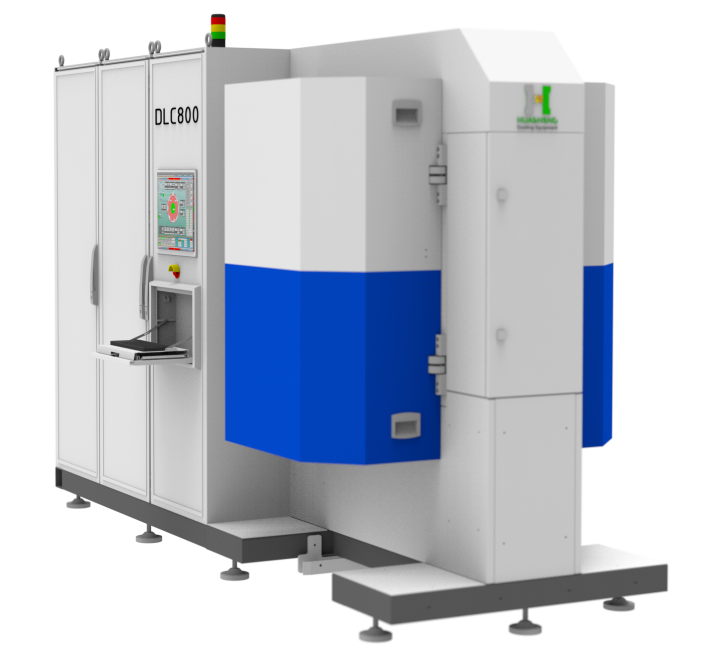
Dongguan, Guangdong Mar 12, 2026 (Issuewire.com) - In the high-precision manufacturing world, the difference between a tool that fails after a few shifts and one that endures thousands of cycles often comes down to a layer no thicker than the iridescent shimmer on a soap bubble. Consider a high-speed CNC machine processing aerospace components; the immense friction and thermal stress would melt standard steel without a protective barrier. This invisible shield is created through a sophisticated process known as Physical Vapor Deposition (PVD). As global industries demand higher durability and efficiency, the role of a China Leading Vacuum Coating Equipment Manufacturer has become central to the industrial supply chain.
Modern vacuum coating equipment utilizes plasma technology to deposit thin films of nitrides, carbides, or oxides onto surfaces, enhancing hardness and reducing friction for everything from medical scalpels to microelectronic sensors. This technology is no longer a luxury but a fundamental necessity for achieving the "turnkey" efficiency required in todays competitive global market. By integrating advanced vacuum chambers with precise control systems, manufacturers can now achieve surface properties that were once thought impossible.
The Global Shift Toward Advanced Surface Engineering
The evolution of surface engineering has undergone a dramatic change over the last decade. Historically, the market for high-end coating solutions was dominated by a few European and Japanese conglomerates. However, the rise of Chinas manufacturing sector has transformed the landscape. The shift toward sustainable manufacturing and the "Industry 4.0" initiative has pushed Chinese manufacturers to move from basic assembly to high-tech R&D. China now possesses an integrated industrial chain that allows for rapid prototyping and localized technical support, which are critical for the automotive and semiconductor sectors.
In this context, success is defined by those who can bridge the gap between academic research and industrial application. Leading entities like Huasheng have fostered a culture of collaborative innovation that rivals traditional Western powerhouses. This regional focus ensures that technical support is never more than a few hours away, a critical factor for maintaining continuous production lines in fast-paced markets.
The Rise of Domestic Excellence in China
The success story of Guangdong Huasheng Nanotechnology Co., Ltd. is reflective of this broader industrial transformation. Starting as a specialist in localized coating services, the company recognized early on that the future of the industry lay in providing integrated solutions rather than just hardware. The journey to becoming a benchmark in the Chinese market involved overcoming significant technical barriers in plasma physics and precision engineering.
By focusing on the "turnkey" model, the organization moved beyond selling machines to offering a complete ecosystem: from pre-treatment and specialized coating recipes to post-treatment quality control. This approach helped secure a leading position, particularly in the domestic market where versatility and rapid response times are paramount for high-volume production lines. The ability to customize a coating process for a specific clients materialwhether it be tungsten steel or high-speed steelhas set a new standard for service in the region.
More On Toptelecast ::
- How to Choose the Best Custom Hair Care Manufacturer for Private Label
- Brent Byng Demonstrates How Leaders Can Align Data, People, and Strategy for Results
- Buyer’s Guide to Certified Tile Adhesive Manufacturer from China: Navigating Standards from CE EN12004 to French A+
- Royoso International Investment Group LLC: From Family Office to Global AI - Blockchain Investment Leader
- Alexander Nieves - Nieves Ministries Present La Noche Del Encanto Pre-Party Featuring Riaga - Top Puerto Rican Artists
High-Performance Vacuum Coating Equipment: Pushing Technical Boundaries
Central to this industrial leadership is the advanced vacuum coating equipment designed to meet the rigorous standards of modern precision engineering. A prime example is the development of the DLC (Diamond-Like Carbon) series. These machines are engineered to deposit coatings that combine high hardness with an extremely low friction coefficient, making them indispensable for engine components and high-end consumer electronics.
Unlike conventional systems, these vacuum coating equipment units utilize specialized arc and sputtering technologies to ensure film uniformity even on complex geometries. This technical prowess ensures that the coating maintains its structural integrity under extreme pressure, effectively extending the lifecycle of industrial parts and reducing the environmental footprint caused by premature wear and replacement.
Solving Complexity with HPC Internal Surface Coating
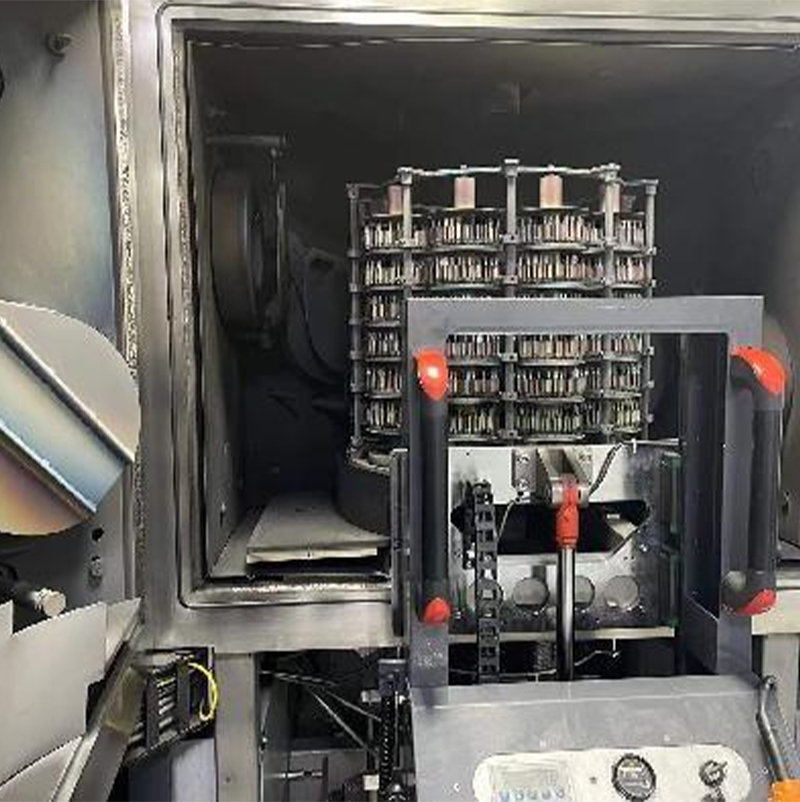
Innovation also extends to specialized applications such as internal surface coating. Conventional PVD technology often struggles with deep holes and complex internal cavities. However, the introduction of HPC internal surface coating machines has solved this bottleneck. These systems are designed to provide consistent protection for the inner walls of precision molds and tubing, which were previously difficult to coat effectively.
The integration of such specialized vacuum coating equipment into a production line represents a significant leap in manufacturing capability. It allows industries to push the boundaries of what is possible in fluid dynamics and mechanical durability, ensuring that even the most hard-to-reach surfaces benefit from nanocoating protection.
R&D and the Customization of Coating Chemistry
The strength of a vacuum coating equipment manufacturer is often measured by its R&D depth. Maintaining a state-of-the-art research center allows for the continuous refinement of coating formulas, such as AlTiN, TiSiN, and CrN. This scientific approach ensures that the "turnkey" solution is not a one-size-fits-all product but a customized technical strategy.
By operating multiple manufacturing bases and research stations, the company ensures that talent from various disciplinesranging from metallurgy to software engineeringcontributes to the evolution of the hardware. This synergy is what allows for the production of equipment that is both robust for heavy industrial use and delicate enough for the most sensitive electronic components.
Future Development and the Road to Smart Manufacturing
Looking toward the future, the trend in the industry is moving toward "green" manufacturing and automation. The next generation of vacuum coating equipment is expected to integrate AI-driven monitoring systems that can adjust deposition parameters in real-time, ensuring zero-defect production. This move toward digitalization will allow manufacturers to predict maintenance needs and optimize energy consumption.
The focus is shifting from simply applying a coating to "smart" surface engineering, where the thin film itself can provide data on wear and temperature. As a vacuum coating equipment manufacturer at the forefront of this movement, the commitment to future development involves expanding the application of nanocoating solutions into emerging fields like renewable energyspecifically hydrogen fuel cells and high-efficiency solar panelswhere surface durability is a critical factor in energy conversion efficiency.
Conclusion
The trajectory of the vacuum coating industry is defined by a blend of technical precision and strategic innovation. The transition of China from a participant to a leader in this sector is the result of dedicated research and a focus on providing reliable industrial services. By maintaining a focus on professionalism and technical excellence, the industry continues to provide the essential foundations for global manufacturing progress. For those seeking to explore the latest advancements in thin-film technology and integrated coating solutions, detailed information and technical insights are available at the official resource: https://www.hscoat.com/.
Media Contact
Guangdong Huasheng Nanotechnology Co., Ltd.
No.36 Lianhuan Road, Dalingshan, Dongguan, Guangdong, China
Source :Guangdong Huasheng Nanotechnology Co., Ltd.
This article was originally published by IssueWire. Read the original article here.